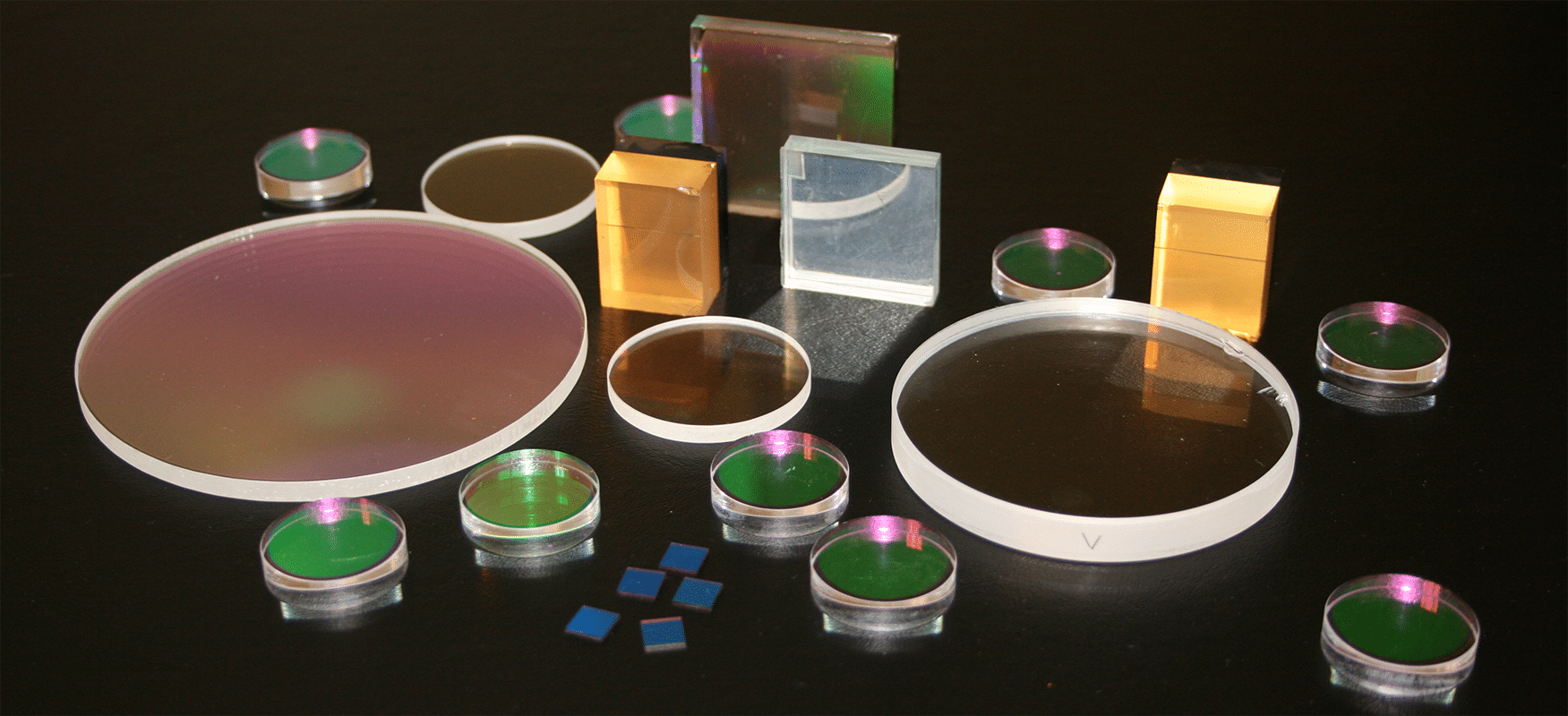
The manufacturing of dicing optics presents several challenges that companies in the industry need to address. MTINC provides the highest quality dicing saw for optics to address the following challenges:
- Precision Requirements:
Dicing optics often require extremely high precision. Achieving tight tolerances and maintaining consistent quality across large production runs can be challenging.
- Material Variability:
Optics come in various materials, each with its own set of challenges. Manufacturing processes must be adaptable to different materials, including glass, crystals, and specialized coatings.
- Surface Finish and Quality:
Obtaining a flawless surface finish on diced optics is crucial for optical performance. Controlling factors such as surface roughness, scratches, and defects requires advanced manufacturing techniques.
- Small Scale and Fragility:
Optics are often small and delicate, making handling and machining challenging. Precision is essential to avoid damage during the dicing process.
- Complex Geometries:
Some optical components have intricate shapes and geometries. Dicing these complex structures with high precision requires advanced machinery and tooling.
- Cleanliness and Contamination Control:
Optics are highly sensitive to contamination. Manufacturers must implement stringent cleanliness measures to prevent particles, debris, or scratches that could affect optical performance.
- Cost of Equipment:
Investing in high-precision dicing equipment suitable for optics can be expensive. Companies may face challenges in balancing the cost of equipment with the need for cutting-edge technology.
- Waste Reduction:
Minimizing material waste during the dicing process is essential for cost-effectiveness. Precision-cutting techniques and efficient material utilization are critical in addressing this challenge.
- Customization and Flexibility:
The demand for customized optics requires manufacturing processes that are flexible and adaptable. Companies need to balance standardization with the ability to meet diverse customer requirements.
- Optical Coating Preservation:
Some optics come with specialized coatings for optical performance. Preserving these coatings during the dicing process is crucial, as any damage can impact the final product’s functionality.
- Automation and Efficiency:
Achieving a balance between manual and automated processes is challenging. While automation enhances efficiency, certain aspects of optical manufacturing may still require skilled manual intervention.
- Industry Standards and Regulations:
Adhering to stringent industry standards and regulations, especially in applications like aerospace or medical optics, adds complexity to the manufacturing process.
- Rapid Technological Advancements:
The optics industry is experiencing rapid technological advancements. Keeping up with the latest technologies and incorporating them into manufacturing processes is a continuous challenge.
Overcoming these challenges in the manufacturing of dicing optics requires a combination of advanced technologies, skilled personnel, and a commitment to continuous improvement. Companies that successfully navigate these hurdles can deliver high-quality, precise optical components to meet the demands of various industries.